



Powering Global Trade: Taizhou Changlong's Bulk Carrier Portfolio for a More Demanding Era
-
 2026-07-01
 -
 80
80
From handysize grain ships to long-haul ore carriers, a Zhejiang shipyard is engineering bulk transport for the next decade of trade
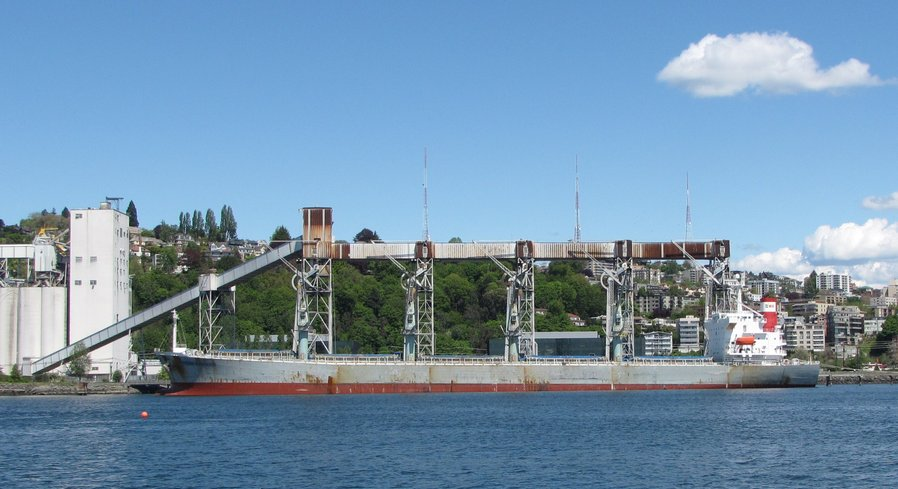
Source: Wikimedia Commons. Bulk carriers remain the quiet workhorses of global trade, moving iron ore, coal, grain, cement, fertilizer, and other raw materials that feed manufacturing, construction, and energy supply chains.
Global trade still depends on a quiet workhorse: the bulk carrier. These vessels move iron ore, coal, grain, cement, fertilizer, and other raw materials that support manufacturing, construction, energy, and food supply chains. As trade routes become more complex and owners face pressure to reduce fuel use, improve safety, and comply with evolving rules, bulk carrier design is becoming more sophisticated. Taizhou Changlong Shipbuilding Industry Co., Ltd. has used its latest news release to present an expanded bulk carrier design and construction portfolio aimed at that more demanding market, positioning the yard as a partner for shipowners who need practical cargo capacity without sacrificing efficiency or regulatory readiness.
A portfolio sized for real trade routes
The company describes a portfolio that can cover a broad range of bulk carrier categories, from smaller handysize vessels suited to regional ports to much larger ships designed for long-haul commodity routes. This range is important because the dry bulk market is not one uniform business. A grain ship calling at shallow ports, a coal carrier serving regional power plants, and a large ore carrier on an intercontinental route all require different balances of draft, hold volume, structural strength, fuel economy, and cargo handling speed. By matching hull form, hold geometry, and machinery selection to the route, the yard helps owners avoid the chronic problem of over-specified vessels in soft markets and under-specified vessels in heavy ones.
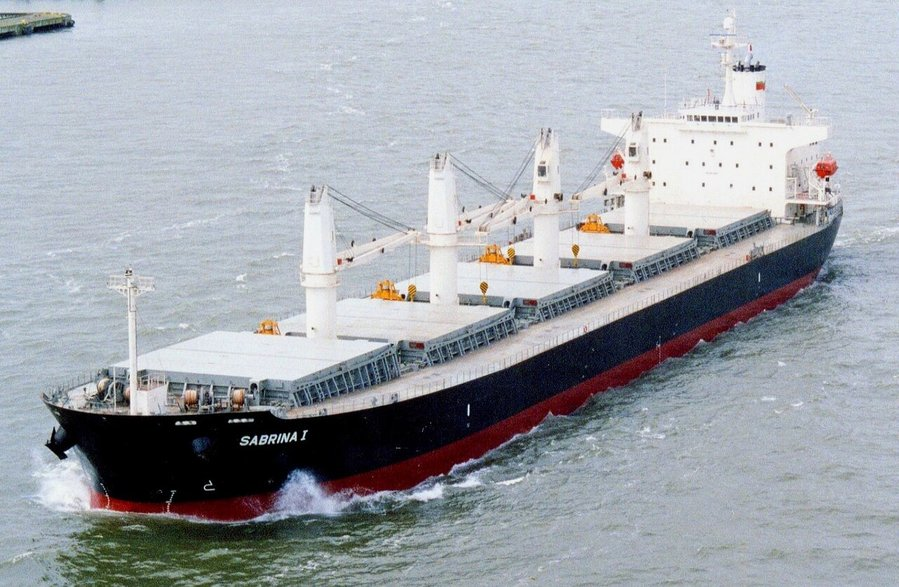
Source: Wikimedia Commons. Modern handysize and handymax bulk carriers are designed for port accessibility and cargo versatility, while panamax and capesize ships are optimized for economies of scale on major commodity lanes.
Structural engineering for alternating loads
A key theme in the company's bulk carrier message is structural optimization. Bulk carriers face demanding load patterns because cargo weight is concentrated in holds while buoyancy acts along the hull. During loading, unloading, and heavy weather, the ship experiences bending, shear forces, and localized stresses that must be carefully managed. The engineering team applies finite element analysis to refine hull geometry and steel distribution. In practical terms, that means designers can identify where strength is essential, where weight can be controlled, and how the vessel can achieve durability without carrying excess steel that burns extra fuel. Modern cargo handling demands are also part of the design brief. Steeper hopper tanks and well-shaped holds allow complete discharge, reducing cargo residues that can trigger charter party disputes and expensive cleaning.
Fuel economy built into the hull form
Fuel efficiency has moved from a secondary concern to a central specification. Carbon-intensity rules introduced by the International Maritime Organization, regional sulphur and nitrogen oxide limits, and emerging 2050 decarbonization targets all push owners toward hulls that minimize resistance at service speed. Energy-saving devices such as Mewis ducts, pre-swirl stators, and propeller boss cap fins can be integrated into the basic design rather than retrofitted later. Combined with slimmer bow sections and optimized stern lines, these features allow the vessel to consume less fuel per ton-mile, which is the metric that ultimately decides whether a bulk carrier earns money in a soft freight market.
Source: Wikimedia Commons. The structural design of a bulk carrier must absorb alternating load conditions, full cargo holds pushing downward while ballast tanks in rough seas create different stress patterns.
Why an expanded portfolio matters now
The timing of the announcement reflects two pressures on shipowners at once. On one side, freight demand is being reshaped by shifts in steel production, the global energy transition, and the geography of grain flows. On the other side, capital is more selective: financiers, charterers, and classification societies all want demonstrable fuel and emissions performance from new tonnage. By offering a portfolio that spans multiple size categories and is engineered around the route-specific trade, the yard is signalling that it can support an owner's strategy whether the answer is a single specialized vessel or a fleet renewal programme. For owners weighing new orders, that flexibility may matter as much as headline price.
Engineering capability behind the claim
Expanding a bulk carrier portfolio is more than an exercise in marketing. Each size class demands its own scantlings calculation, holds layout, and machinery selection. Moving from a handysize grain ship to a capesize ore carrier means re-learning the design constraints around draft, port infrastructure, and lifecycle loading. The depth of engineering behind the announcement matters because private yards in China have historically been judged on build cost and on-time delivery rather than on conceptual design. By investing in finite element analysis tools, hydrodynamic modeling, and routing-based fuel modeling, the yard is moving further upstream — closer to the moment when a vessel's economics are decided. For owners, that upstream involvement usually translates into fewer late changes, better classification approvals, and a stronger resale story once the ship enters its second decade of trading.
— Industry Analysis, sourced from tzclcy.com/news (2026)


关注微信公众号
