



Changlong Shipbuilding Sets a 2026 Course for Cleaner, Smarter Fishing Vessels
-
 2026-06-17
 -
 87
87
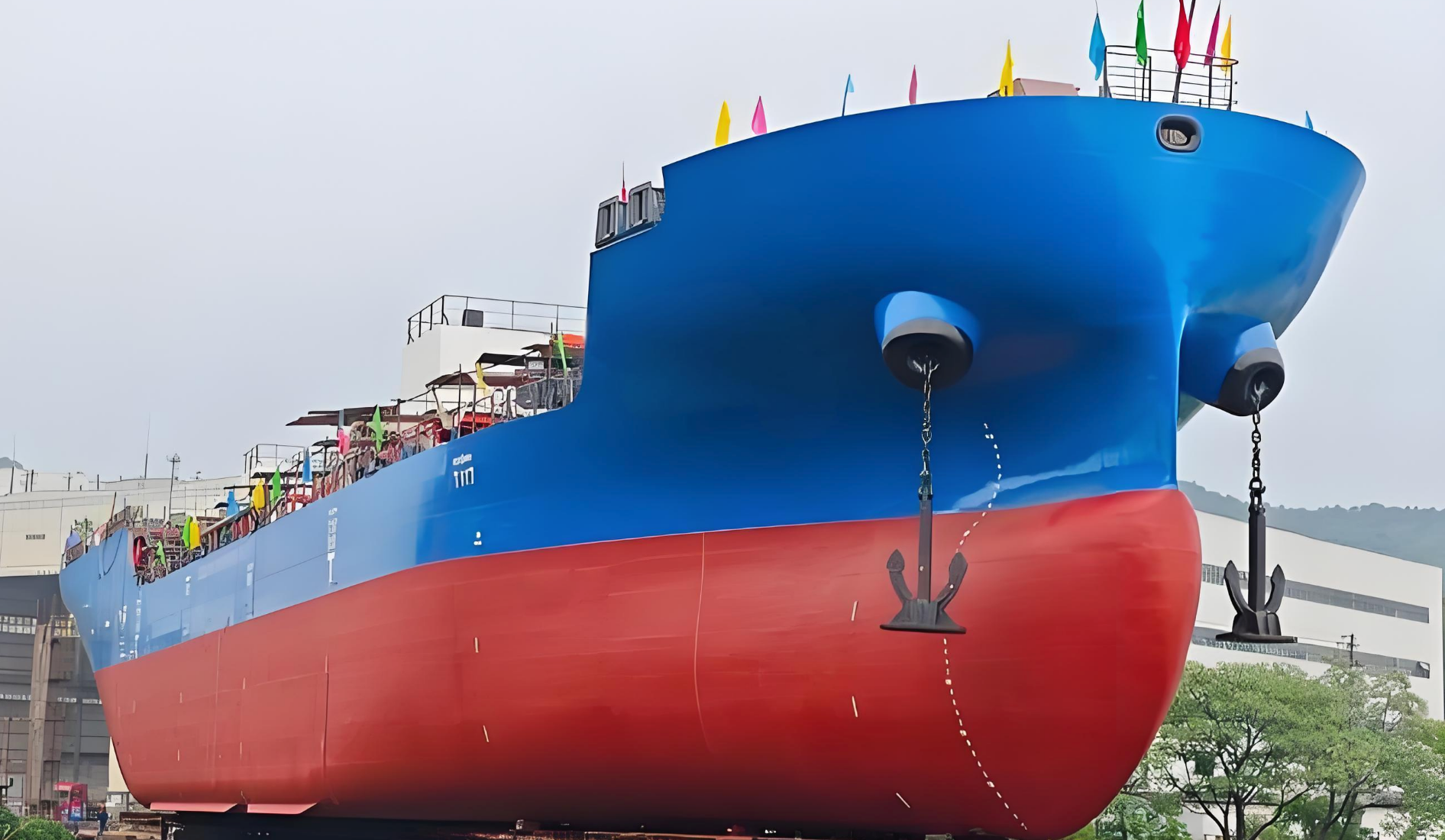
The commercial fishing industry is entering a period in which vessel design can no longer be judged only by power, deck space, or range. Operators now have to balance fuel costs, stricter environmental rules, crew safety, seafood traceability, and the economics of working farther from port. In that context, Taizhou Changlong Shipbuilding Industry Co., Ltd. has presented its 2026 sustainable fishing vessel concept as more than a technical upgrade. It is a response to a market that is asking shipyards to help fishing companies become cleaner, more efficient, and more reliable at the same time.
The central idea behind the new design is that sustainability begins with the hull. Changlong's news release highlights the use of optimized hydrodynamic forms, including finer entry lines, improved stern runs, and speed-specific hull geometry. For fishing vessels, this matters because a large share of operating cost is tied directly to resistance through the water. A hull that needs less power to maintain service speed can reduce daily fuel burn, extend range, and give owners more flexibility when fuel prices swing. The company says computational analysis is used to model drag and refine the vessel form before construction, allowing efficiency gains to be built into the steel rather than treated as an afterthought.
Propulsion is the second major pillar. Instead of relying only on conventional diesel power, the concept combines efficient diesel engines, electric motors, and marine battery systems. Hybrid arrangements are especially relevant for fishing vessels because their power demand changes throughout a voyage. A boat may need higher output while steaming to fishing grounds, lower output while working gear, and quiet, low-emission capability while entering port. By matching power generation to each phase of operation, hybrid systems can reduce unnecessary engine load, cut emissions, and improve onboard comfort. Battery support also offers resilience when vessels need stable hotel loads for navigation electronics, pumps, refrigeration, and crew accommodation.
The design also reflects a shift in how shipowners think about onboard equipment. Modern fishing vessels are increasingly floating production platforms, not only boats that catch fish. Efficient winches, smarter hydraulics, improved refrigeration, and better energy management can determine whether a voyage is profitable. Changlong's emphasis on ultra-efficient gear systems suggests that the company is looking beyond the engine room and considering the whole vessel as one integrated energy system. That approach is important because savings in auxiliary equipment can compound the gains created by a more efficient hull and propulsion package.
Environmental performance is another reason the concept may attract attention from fleet operators. International and regional authorities are tightening expectations around emissions, fuel quality, and responsible seafood supply chains. Buyers and consumers also want greater confidence that seafood is harvested with lower environmental impact. A vessel that can demonstrate reduced fuel use, cleaner port operations, and modern monitoring capacity gives fishing companies a stronger compliance story. For owners seeking financing or long-term charter relationships, that story can become a commercial advantage rather than just a public relations message.
Changlong's positioning is also rooted in its regional manufacturing base. Located in Zhejiang, the company has developed from a private shipbuilding team into a builder with decades of practical experience in fishing boats, bulk carriers, container ships, and customized work vessels. That background matters because sustainable design only becomes useful when it can be delivered at a cost, schedule, and quality level that owners can accept. Fishing companies often operate under narrow margins, so a green vessel must prove itself through lower lifetime cost, easier maintenance, and dependable performance in harsh working conditions.
The broader significance of the announcement is that Chinese private shipyards are moving further into specialized, value-added vessel design. Rather than competing only on basic construction capacity, Changlong is presenting engineering, customization, and energy efficiency as part of its offer. For Asian and international fishing fleets facing fleet renewal decisions, this could provide a practical route toward cleaner operations without abandoning the rugged workboat features that fishing vessels require.
If the concept performs as described, its strongest contribution may be the way it connects environmental responsibility with operational economics. Cleaner vessels are often discussed as a regulatory burden, but Changlong's design frames them as tools for lower fuel consumption, improved reliability, and stronger market access. That is the kind of alignment the fishing industry needs. The next generation of fishing boats will not succeed simply by being greener on paper. They will succeed when sustainability helps owners work safer, spend less, and meet the expectations of ports, regulators, buyers, and crews. For many fishing companies, that practical proof will matter more than any single technical claim. A vessel that can save fuel across hundreds of operating days, protect catch quality, and simplify compliance will earn trust voyage by voyage. Changlong's announcement points toward that commercially grounded version of sustainability.


关注微信公众号
