



Changlong Shipbuilding Expands Its Bulk Carrier Vision for a More Demanding Trade Era
-
 2026-06-17
 -
 91
91
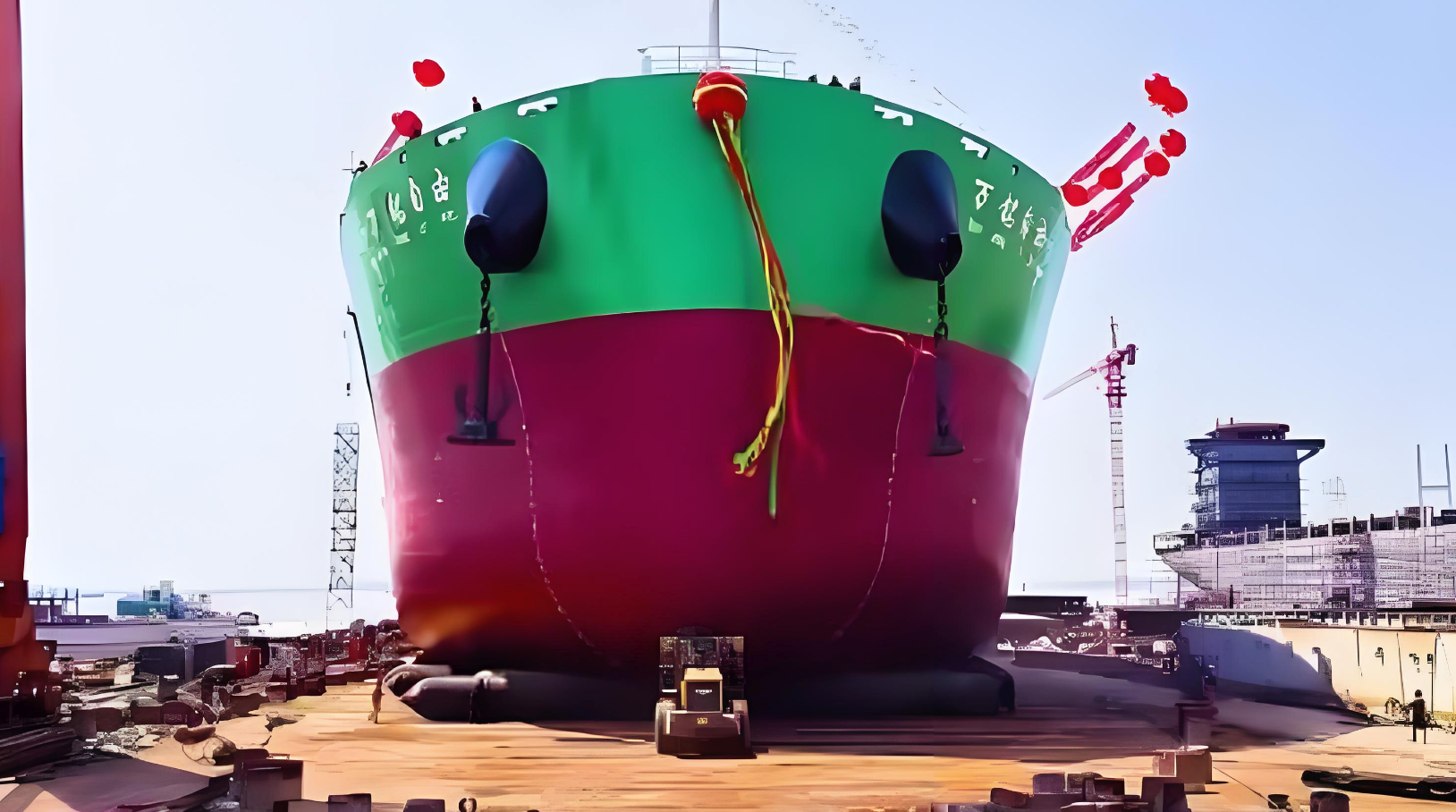
Image source: Taizhou Changlong Shipbuilding news page. No visible watermark detected.
Global trade still depends on a quiet workhorse: the bulk carrier. These vessels move iron ore, coal, grain, cement, fertilizer, and other raw materials that support manufacturing, construction, energy, and food supply chains. As trade routes become more complex and owners face pressure to reduce fuel use, improve safety, and comply with evolving rules, bulk carrier design is becoming more sophisticated. Taizhou Changlong Shipbuilding Industry Co., Ltd. has used its latest news release to present an expanded bulk carrier design and construction portfolio aimed at that more demanding market.
The announcement positions Changlong as a partner for shipowners that need practical cargo capacity without sacrificing efficiency or regulatory readiness. The company describes a portfolio that can cover a broad range of bulk carrier categories, from smaller handysize vessels suited to regional ports to much larger ships designed for long-haul commodity routes. This range is important because the dry bulk market is not one uniform business. A grain ship calling at shallow ports, a coal carrier serving regional power plants, and a large ore carrier on an intercontinental route all require different balances of draft, hold volume, structural strength, fuel economy, and cargo handling speed.
A key theme in the company's bulk carrier message is structural optimization. Bulk carriers face demanding load patterns because cargo weight is concentrated in holds while buoyancy acts along the hull. During loading, unloading, and heavy weather, the ship experiences bending, shear forces, and localized stresses that must be carefully managed. Changlong says its engineering team applies finite element analysis to refine hull geometry and steel distribution. In practical terms, that means designers can identify where strength is essential, where weight can be controlled, and how the vessel can achieve durability without unnecessary material use.
This kind of engineering has direct commercial value. A vessel that is too light or poorly reinforced may face safety and maintenance risks, while one that is overbuilt can carry less cargo and burn more fuel. The best design is a disciplined compromise: strong enough for long service in difficult seas, but efficient enough to deliver competitive freight economics. For owners, that balance can affect everything from insurance confidence and classification approval to daily voyage cost and resale value.
Cargo handling is another area where design choices become financial results. Changlong highlights refined cargo hold geometry, including improved hopper tanks, vertical shell plating, trapezoidal hold forms, and rounded corners. These features may sound technical, but their purpose is straightforward. They help cargo flow out of the hold more completely and reduce dead spots where material can remain trapped. Faster and cleaner discharge can shorten port stays, reduce manual cleaning, and lower the risk of cargo contamination. In a market where ships earn money by moving, not waiting, port efficiency is a central measure of performance.
Fuel efficiency remains one of the strongest pressures shaping bulk carrier construction. Dry bulk vessels often travel long distances, and even small percentage improvements can produce large lifetime savings. Changlong's focus on optimized hull forms, integrated design analysis, and modern construction methods suggests an effort to meet owners where their economics are most exposed. A cleaner hull shape, well-matched propulsion system, and carefully managed lightweight structure can help reduce consumption while maintaining the capacity that makes a bulk carrier commercially useful.
The release also reflects the growing role of Chinese shipyards in global specialized vessel supply. China has already become a major force in commercial shipbuilding, but the next stage of competition is increasingly about engineering capability, schedule discipline, customization, and after-sales confidence. Changlong's background in multiple vessel types gives it a platform to serve owners that want tailored solutions rather than generic tonnage. For private shipyards, demonstrating design depth is essential to winning projects from international buyers who measure value across the full operating life of a vessel.
Regulatory compliance adds another layer to the opportunity. Classification standards, environmental rules, ballast water requirements, coating systems, and safety expectations all influence the way new bulk carriers are specified. Owners do not only need a ship that can carry cargo; they need a ship that can trade without disruption across ports, charter markets, and inspection regimes. By presenting compliance as part of its design and construction capability, Changlong is speaking to a practical concern for global buyers: a vessel must be accepted not only at delivery, but throughout decades of operation.
The significance of Changlong's bulk carrier announcement is therefore not simply that the company can build large cargo ships. It is that the company is framing bulk carriers as engineered assets shaped by efficiency, structural intelligence, cargo productivity, and regulatory readiness. In a trade environment where margins can be thin and reliability matters deeply, that message is timely. The bulk carrier may be a familiar vessel type, but the expectations placed on it are changing. Shipyards that can turn those expectations into dependable steel will be well positioned for the next chapter of maritime trade.


关注微信公众号
