



Navigating Regulatory Seas: ChangLong’s Proactive Blueprint for IMO 2025 & Carbon Neutrality
-
 2025-07-14
 -
 378
378
The convergence of IMO’s 2025 Global Sulfur Cap and China’s Blue Ocean 2030 Strategy has created unprecedented challenges for shipbuilders worldwide. For TaiZhou ChangLong Shipbuilding,
these regulatory waves became catalysts for innovation – transforming constraints into competitive advantages through technological agility and supply chain reinvention.
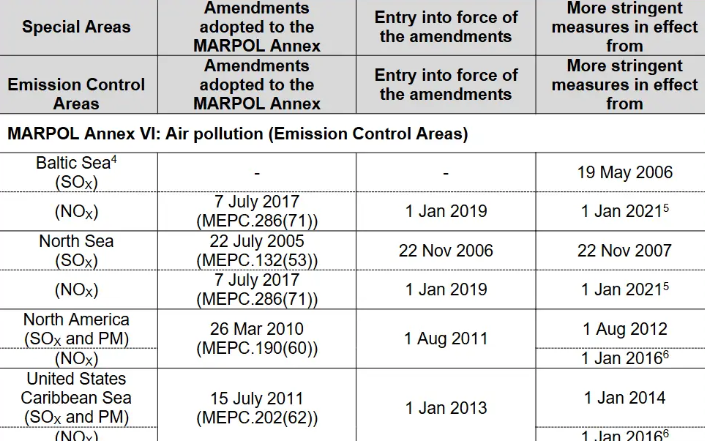
Decoding the Compliance Matrix: A 3-Tiered Countermeasure
Our technical committee’s 18-month response plan:
1. Propulsion Revolution (The Hardware)
Developed modular methanol retrofit systems for in-service oil tankers
Partnered with CSSC Marine Power on ammonia-compatible engines for 15K DWT bulk carriers
Scaled production of solar-assisted deck cranes (37% emission cut)
2. Digital Compliance (The Software)
Launched "CompasTrack" – proprietary blockchain system automating IMO Data Collection Reports
Integrated ClassNK’s "PrimeShip-GREEN" eco-software into design workflows
Trained 100% project teams in EEDI/EEXI calculation protocols
3. Supply Chain Reformation (The Ecosystem)
Replaced 63% steel suppliers with CIRC-certified vendors
Onboarded Nordic coating specialists for biocide-free hull treatments
Established green material auditing team inspecting 200+ components quarterly
Case Study: Delivering Policy-Proof Vessels
Our Ro-Pax 2800 series exemplifies compliance integration:
🔹 SCR + LNG dual-fuel systems (0.1% sulfur emissions)
🔹 AI-optimized hull design reducing CO2/ton-mile by 52%
🔹 Fully recyclable cabin interiors (EU Ship Recycling Regulation compliant)
"Clients from Indonesia to Ireland chose these ferries because we pre-solved their 2030 compliance headaches," notes Project Head Wang Tao, currently managing 7 Ro-Pax contracts worth $120M.
Policy Intelligence: Staying Ahead of Regulatory Curves
ChangLong’s Regulatory Task Force employs predictive analytics to anticipate shifts:
Monthly briefings with Transport Ministry policy analysts
Real-time tracking of E.U. Carbon Adjustment Mechanism impacts
Partnerships with DNV and RINA for future-scenario modeling
Recent forecasts drove critical pivots:
→ Accelerated wind-hybrid system R&D ahead of IMO’s 2026 renewables mandate
→ Designed modular "green retrofit decks" for aging container ship conversions


关注微信公众号
